
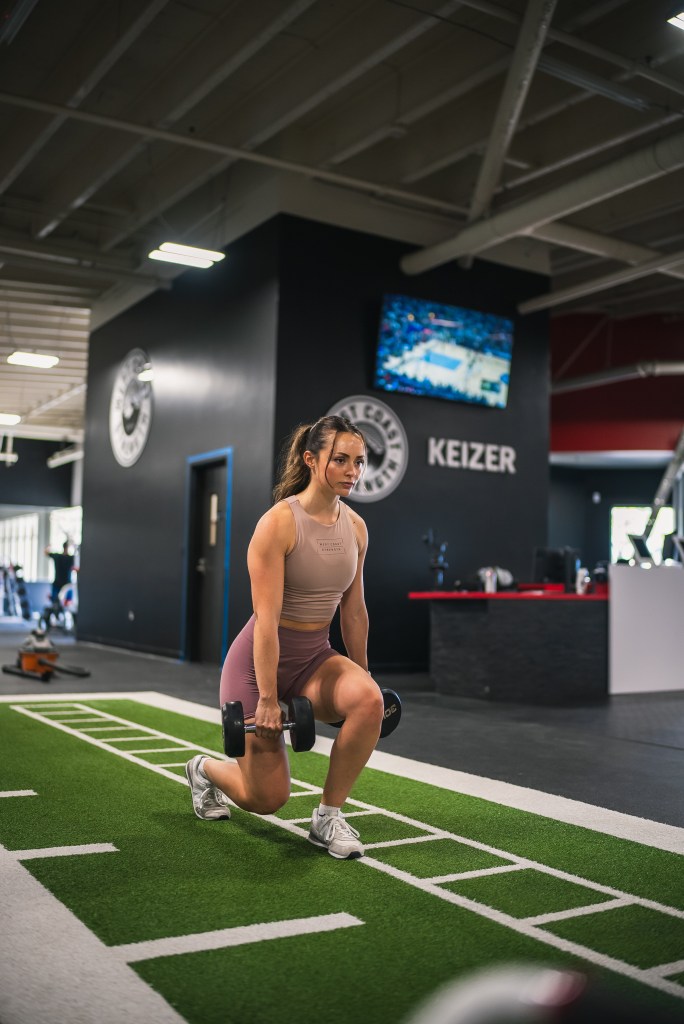
What you eat after a workout can make or break your recovery, and getting it right doesn’t have to be complicated. Whether you’re lifting at West Coast Strength in Keizer three days a week or training daily, the right post-workout meal helps your muscles repair faster, reduces soreness, and keeps your energy steady for the next session. Here’s a practical, no-fluff guide to fueling your recovery the right way.
Why Post-Workout Nutrition Matters for Keizer Gym Members
When you finish a tough training session, your muscles have small tears that need to be repaired, and your glycogen stores are partially depleted. Without adequate nutrition after training, your body can struggle to rebuild muscle tissue efficiently, which slows your progress over time. This is true whether you just crushed a heavy squat session or finished a conditioning circuit.
For members who are serious about seeing results, post-workout nutrition is one of the most controllable variables in your recovery process. You can learn more about the full picture in our recovery tips for faster muscle repair, but nutrition is always one of the first places we start.
What Should You Eat After a Workout? The Basics Explained
After a workout, you should eat a combination of protein and carbohydrates, with a moderate amount of healthy fat. Protein provides the amino acids your muscles need to repair and grow. Carbohydrates replenish the glycogen your muscles burned during training. Fat slows digestion slightly, which is fine in a post-workout meal as long as it doesn’t push your meal timing too far back.
A simple example that works well: grilled chicken with rice and roasted vegetables, Greek yogurt with fruit and a handful of granola, or eggs with whole grain toast and a banana. These aren’t fancy meals, but they cover all three bases without overthinking it. Real food works. You don’t need a complicated supplement stack to recover well.
How Much Protein Do You Actually Need After Weight Training?
After weight training, most people benefit from consuming roughly 20 to 40 grams of protein in their post-workout meal, depending on body weight and training intensity. Research consistently shows that muscle protein synthesis peaks in this range for most adults, and eating significantly more in a single sitting doesn’t provide much additional benefit. If you weigh more or train at a high intensity regularly, aim for the higher end of that range.
Good sources that hit that target without much effort include a can of tuna (about 25 grams), two chicken thighs (roughly 35 grams), a cup of cottage cheese (around 25 grams), or a two-scoop whey protein shake (typically 40 to 50 grams). If you’re following a structured training program with a personal trainer, they can give you a more tailored target based on your actual goals and body composition.
Best Whole-Food Meal Ideas for Recovery After a Hard Session
Whole foods consistently outperform processed alternatives for recovery because they deliver vitamins, minerals, and fiber alongside your macros. Some of the most practical options for busy Keizer residents include: salmon with sweet potato and steamed broccoli, a turkey and avocado wrap on whole wheat, a rice bowl with ground beef, black beans, and salsa, or a smoothie made with banana, spinach, protein powder, and almond milk if you need something fast.
Variety matters here too. Rotating through different protein and carb sources means you’re getting a wider range of micronutrients, including magnesium, zinc, and B vitamins, all of which support muscle recovery and energy production. Batch cooking a few of these on Sunday makes the weekday post-gym meal much easier to stick to, especially after an evening session when you’re tired and hungry.
Timing Your Post-Workout Meal: Does the Window Really Matter?
The post-workout anabolic window is real, but it’s wider than most people think. Current research suggests that eating within one to two hours after training is sufficient for most people to support muscle protein synthesis. You don’t need to sprint to the locker room and chug a shake the moment you re-rack the bar. If you’ve eaten a solid meal two to three hours before training, your recovery window is even more flexible.
That said, if you train fasted or haven’t eaten for four or more hours before your session, eating sooner after you finish does matter more. A practical rule: don’t let more than two hours pass after a hard training session without eating something that includes protein and carbohydrates. Consistency across the full day matters more than hitting a precise minute mark after your last set.
How Our Keizer Personal Trainers Help Members Build a Recovery Routine
At West Coast Strength in Keizer, our coaches know that training hard is only half the equation. When you work with one of our personal trainers, recovery planning, including nutrition timing, sleep habits, and stress management, becomes part of your overall program. We don’t just hand you a workout and send you on your way. We help you build habits that make your results sustainable long-term.
If you’re curious about how we approach programming for consistent progress, our post on progressive overload for Keizer gym members is a good next read. Building strength smartly, recovering well, and fueling your body properly all work together, and that’s exactly the kind of guidance our members get every week inside the gym.
Key Takeaways
- Pair protein with carbohydrates in your post-workout meal to support both muscle repair and energy replenishment.
- Eating within 30 to 90 minutes after training gives your body the nutrients it needs when they are most useful.
- Whole foods like eggs, rice, chicken, and fruit are reliable recovery staples you can build easy meals around.
- Hydration is part of recovery too. Replacing fluids after a session in Keizer’s warm summers is just as important as food.
- A personal trainer at West Coast Strength in Keizer can help you connect your nutrition habits to your specific training goals.
Frequently Asked Questions
What is the best post-workout meal for muscle recovery?
A meal combining lean protein and carbohydrates eaten within one to two hours after training is ideal. Good examples include grilled chicken with rice, eggs with whole-grain toast, or Greek yogurt with fruit.
How soon after a workout should you eat?
Aim to eat within 30 to 90 minutes after your session. This window is when your muscles are most receptive to nutrients that support repair and glycogen replenishment.
How much protein do you need after weight training?
Most active adults benefit from 20 to 40 grams of protein in their post-workout meal. The exact amount depends on your body weight, training intensity, and overall daily intake.
Are protein shakes necessary after a workout?
Protein shakes are convenient but not required. Whole foods like eggs, cottage cheese, or canned tuna provide the same nutrients and are often more satisfying. Shakes work well when a full meal is not practical.
What should you avoid eating after a workout?
Skip meals that are very high in fat or ultra-processed, as they can slow digestion and blunt recovery. Alcohol is also best avoided right after training since it interferes with muscle protein synthesis.
Ready to train smarter and recover faster? Come see what we’re building at West Coast Strength in Keizer. We’d love to show you around, talk about your goals, and help you put together a plan that actually works. Book your free trial today and take the first step.