
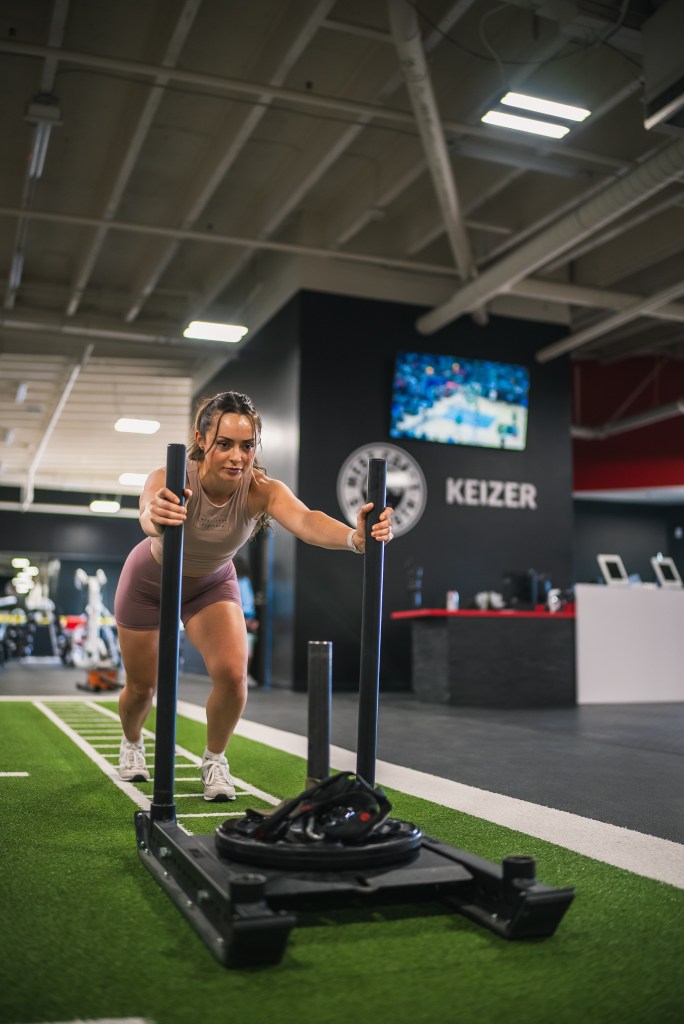
Your muscles don’t grow in the gym. They grow during recovery, and if you’re skipping or rushing that part, you’re leaving real progress on the table. Whether you’re a seasoned lifter or just getting started at West Coast Strength in Keizer, understanding how to recover faster and smarter is one of the highest-leverage things you can do for your training.
Why Muscle Recovery Matters as Much as the Workout Itself
When you lift weights, you create small tears in your muscle fibers. Recovery is the process where your body repairs those fibers and builds them back slightly stronger than before. Skip recovery, and you’re repeatedly damaging tissue without giving it time to rebuild, which leads to stalled progress, chronic soreness, and a much higher injury risk.
This is why progressive overload only works when recovery is built into the plan alongside it. Training hard is only half the equation. The other half happens between sessions, and it deserves just as much attention.
How Much Sleep Do You Actually Need After Weight Training?
Most adults need 7 to 9 hours of sleep per night, and if you’re training hard, you should aim for the higher end of that range. Sleep is when your body releases the majority of its growth hormone, which is the primary driver of muscle repair and tissue rebuilding. Cutting sleep short, even by an hour or two consistently, measurably reduces your recovery and can increase cortisol levels that break down muscle instead of building it.
Practical steps that actually help: keep a consistent sleep schedule even on weekends, avoid screens for 30 minutes before bed, and keep your room cool and dark. If you’re training after work in the evening, give yourself at least 60 to 90 minutes between your workout and bedtime so your body temperature and nervous system have time to settle down.
Nutrition Strategies That Speed Up Muscle Repair
Protein is the foundation of muscle repair. A general guideline backed by current research is 0.7 to 1 gram of protein per pound of bodyweight per day. Spreading that intake across three to four meals is more effective than trying to hit your total in one or two large servings, since the body can only synthesize so much muscle protein at once. Lean meats, eggs, Greek yogurt, cottage cheese, and legumes are all solid sources.
Carbohydrates matter here too. After a tough session, your muscles are depleted of glycogen, and getting 30 to 60 grams of carbs alongside protein within an hour or two of training helps restore that fuel and supports the recovery process. Don’t overthink it. A meal with a solid protein source and some rice, potatoes, or fruit does the job well. Hydration is the other often-ignored factor. Even mild dehydration slows nutrient delivery to muscle tissue, so drinking water consistently throughout the day is a recovery strategy, not just a health habit.
What Is Active Recovery and Should Keizer Gym Members Use It?
Active recovery means doing low-intensity movement on your rest days instead of being completely sedentary, and yes, most gym members benefit from it. Light activity like walking, easy cycling, or gentle mobility work increases blood flow to sore muscles, which helps clear metabolic waste products and deliver nutrients without adding additional training stress. It tends to reduce next-day soreness more effectively than complete rest for most people.
Good active recovery options are easy to fit in. A 20 to 30 minute walk around Keizer is enough. Keep the intensity low enough that you could hold a full conversation throughout. Save the hard efforts for your scheduled training days. The goal is to feel better, not to sneak in extra work.
How Personal Training in Keizer OR Helps You Build Smarter Recovery Plans
One of the most common mistakes people make is treating recovery as an afterthought rather than part of the program. A coach who knows your schedule, your stress levels, your sleep, and your training history can actually build recovery into your plan from the start, adjusting volume and intensity so you’re not consistently digging yourself into a hole.
At West Coast Strength, personal training and 1-on-1 coaching is built around exactly this kind of individualized approach. Your coach can help you identify signs of under-recovery like persistent fatigue, stalled lifts, or nagging soreness and make real adjustments before those signs turn into setbacks. That kind of ongoing feedback loop is hard to replicate training on your own.
Local Recovery Wins: Using Keizer Rapids Park and the Outdoors
Keizer has some genuinely useful outdoor spaces for active recovery days. Keizer Rapids Park along the Willamette River is one of the best low-key options in the area. The flat walking and cycling paths make it easy to get 20 to 30 minutes of easy movement without any hills or intensity to push you past a recovery pace. The change of scenery from the gym also helps mentally, which matters more than people realize for long-term consistency.
If you’re curious about more ways to use the Willamette Valley outdoors as part of your fitness routine, check out this guide to outdoor workout spots near Keizer, Oregon. Pairing a couple of easy outdoor sessions each week with your training at the gym gives you a solid rhythm of work and recovery that most people find sustainable over the long haul.
Key Takeaways
- Sleep is the most powerful recovery tool you have. Prioritize 7 to 9 hours every night to allow muscle protein synthesis to do its job.
- Protein and carbohydrates work together after training. Skipping post-workout nutrition slows repair and leaves you feeling flat for your next session.
- Active recovery days are not wasted days. Light movement like a walk near Volcanoes Stadium or Keizer Rapids Park keeps blood moving and helps you feel better faster.
- A structured training plan from a personal trainer at a Keizer fitness center removes the guesswork and builds recovery time directly into your schedule.
- Consistency beats intensity every time. Members who recover well train more often, progress faster, and stay injury-free longer.
Frequently Asked Questions
How long does muscle recovery take after a hard workout?
Most muscle groups recover in 48 to 72 hours after intense training. Factors like sleep quality, protein intake, and hydration directly affect how quickly your muscles repair and grow stronger.
Does stretching after a workout actually help with recovery?
Light stretching and mobility work after training can reduce next-day stiffness and improve blood flow to worked muscles. It won’t dramatically cut recovery time, but it supports consistency over the long term.
What should I eat after weight training to recover faster?
Aim for a meal or snack with 20 to 40 grams of protein and quality carbohydrates within two hours of training. This combination refuels glycogen stores and gives muscles the amino acids needed for repair.
Is it okay to work out every day at a Keizer gym?
Daily training is possible if you alternate muscle groups and include lower-intensity sessions. A personal trainer in Keizer OR can help you build a weekly schedule that balances effort and recovery without overtraining.
Can walking or light activity help muscle recovery?
Yes. Low-intensity movement like walking around Keizer Rapids Park increases circulation, reduces inflammation, and helps clear metabolic waste from muscles without adding training stress.
If you’re ready to train hard and recover smart with a team that actually knows the difference, come check out West Coast Strength in Keizer. We’d love to show you around the gym and help you build a plan that works. Book your free trial today and see what consistent, well-coached training feels like.