
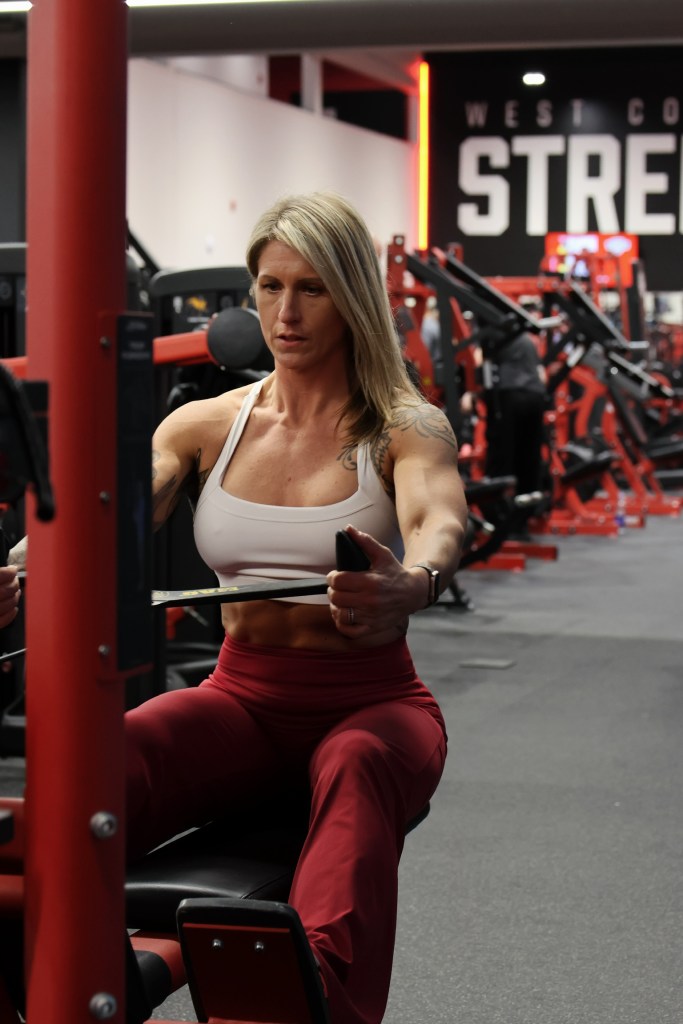
What you eat after a workout can make or break your progress. Whether you just finished a heavy lifting session at West Coast Strength Springfield or pushed through a tough conditioning workout, giving your body the right fuel within the right window helps you recover faster, build more muscle, and show up ready for your next training day.
Why Post-Workout Nutrition Matters for Springfield Athletes
When you train hard, you break down muscle tissue and deplete glycogen stored in your muscles. Post-workout nutrition is how you signal your body to repair that tissue, replenish energy stores, and come back stronger. Skip it consistently and you’ll likely feel more sore, recover more slowly, and stall on your progress faster than you’d expect.
This is true whether you’re a competitive lifter, someone new to the gym, or just trying to feel better and move well. Good recovery nutrition is one of the most practical tools you have, and it doesn’t require anything fancy. If you want to dig deeper into the full picture of recovery, our post on recovery tips for faster muscle repair in Springfield covers the bigger framework nicely alongside nutrition.
What Should You Eat After a Workout for Recovery?
After a workout, your body needs two things most: protein to repair and rebuild muscle fibers, and carbohydrates to restore muscle glycogen. A good post-workout meal includes roughly 20 to 40 grams of protein and a moderate serving of quality carbohydrates, with a small amount of fat. Fat slows digestion a bit, so keep it moderate right after training rather than making it the star of the meal.
Some reliable combinations include grilled chicken with rice and roasted vegetables, Greek yogurt with fruit and a drizzle of honey, eggs with whole grain toast, or a turkey and avocado wrap. The specifics matter less than hitting those protein and carb targets consistently. If you work with a coach through our personal training program, nutrition guidance like this is something we can help you dial in alongside your actual programming.
How Soon After Training Should You Eat?
Eating within 30 to 60 minutes after your workout is a solid target for most people, though the research suggests the window is a bit more flexible than old-school fitness culture made it seem. If you trained fasted or had a very intense session, getting protein and carbs in sooner matters more. If you had a solid meal a couple of hours before training, you have a little more flexibility on timing.
A practical approach for Springfield members who train after work or during lunch: keep something simple ready so you’re not scrambling. A protein shake, a container of Greek yogurt with fruit, or even a peanut butter and banana sandwich in your gym bag works. Consistency over perfection is the real goal here.
Best Whole-Food Recovery Meals to Make at Home
Whole foods give you protein, carbs, and micronutrients all in one package, which makes them a reliable recovery option. A few easy meals that work well: salmon with sweet potato and steamed broccoli, a burrito bowl with ground beef or beans, rice, salsa, and a handful of greens, or overnight oats with protein powder and berries prepped the night before. These take minimal effort and deliver solid nutrition without overthinking it.
Springfield has some good local grocery options like Market of Choice and Natural Grocers where you can find quality proteins and produce without a long trip. Batch cooking on Sundays is something a lot of our members swear by. Cook a big batch of rice, roast a sheet pan of vegetables, and grill or bake a protein source so your post-workout meals are ready to grab all week.
Do Protein Shakes Count as a Post-Workout Meal?
Yes, a protein shake can absolutely count as part of your post-workout nutrition, but it works best when you pair it with carbohydrates rather than relying on protein alone. A shake made with whey or plant-based protein, a banana, some oats, and milk or a milk alternative covers both your protein and carb needs and takes about two minutes to make. That makes it one of the most convenient options for people with a tight schedule.
The main thing to watch with shakes is that they tend to be low in calories and micronutrients on their own. If a shake is consistently your only post-workout food and you’re training hard several days a week, you may want to round out your overall diet with more whole-food meals during the rest of the day. Shakes are a great tool, not a complete replacement for real food.
How Springfield Gym Members Fit Recovery Nutrition Into Real Life
The biggest challenge most people face isn’t knowing what to eat. It’s actually doing it consistently when life gets busy. A few habits that work well for members at West Coast Strength Springfield: keeping a protein source portioned out in the fridge ahead of time, stashing a protein bar or shake ingredients in a gym bag for days when cooking isn’t realistic, and treating post-workout nutrition as part of the workout itself rather than an afterthought.
Building these habits pairs well with building consistency in your training. Understanding principles like progressive overload helps you train smarter, and recovery nutrition is what lets you keep showing up and applying those principles week after week. Small, repeatable habits stack up faster than any single perfect meal ever could.
Key Takeaways
- Eat a protein and carbohydrate-rich meal within one to two hours after every training session to support muscle repair.
- Whole foods like eggs, rice, chicken, and fruit are reliable recovery staples that work as well as any supplement.
- Staying hydrated after training is just as important as what you eat, especially after intense weight training sessions.
- Consistency with post-workout nutrition compounds over time, just like your training at the gym does.
- Springfield residents with active lifestyles, whether they are trail running near the McKenzie River or lifting at West Coast Strength, need recovery nutrition that fits real daily schedules.
Frequently Asked Questions
What is the best post-workout meal for muscle recovery?
A meal with lean protein (20 to 40 grams) and quality carbohydrates eaten within two hours of training is ideal. Good options include grilled chicken with rice, eggs with whole-grain toast, or Greek yogurt with fruit.
How long after a workout should you eat?
Aim to eat within 30 to 60 minutes after finishing your session. This window is when your muscles are most ready to absorb nutrients and begin rebuilding.
Do you need a protein shake after every workout?
No. Whole foods work just as well for most people. Shakes are a convenient option when you are short on time, but they are not required for solid recovery results.
What should you drink after a workout for recovery?
Water is your first priority. If you trained hard for over an hour, a drink with electrolytes, or even chocolate milk, can help replace what you lost through sweat.
Can post-workout nutrition help with soreness?
Yes. Eating enough protein and carbohydrates after training helps reduce muscle breakdown and supports repair, which can lower the intensity and duration of soreness.
Ready to build a training and recovery routine that actually works for your life? Come check out West Coast Strength Springfield and see what we’re about. We’d love to have you in for a free trial so you can meet the coaches, see the gym, and get a feel for the community. Book your free trial today and take the first step toward training and recovering like you mean it.